
How is labor impacting your operation? Take GPN’s 2026 Labor Survey
GPN’s 2026 Labor Survey seeks grower insights on 2025 labor challenges, current workforce conditions and expectations for the year ahead. Take the survey and share your experience.





Labor continues to be one of the biggest factors influencing greenhouse operations, and GPN wants to hear directly from growers about the realities they are facing today.
The 2026 GPN Labor Survey is now open, giving greenhouse growers an opportunity to share their experiences from the 2025 growing season, discuss current workforce challenges and successes, and provide insight into what they expect for the remainder of 2026.
Whether you’re struggling to fill key positions, adapting to rising labor costs, leveraging automation, or finding new ways to retain employees, your perspective helps paint a clearer picture of labor trends across the industry. The survey explores staffing levels, wage pressures, recruitment efforts, employee retention and other workforce issues impacting greenhouse businesses of all sizes.
The results will help GPN identify emerging trends and better understand how labor conditions are evolving, providing valuable benchmarks and insights for growers throughout North America.
The survey takes only a few minutes to complete, but the information you provide can help shape future industry discussions and solutions.
Watch GPN’s on-demand webinar exploring labor challenges and opportunities for growers
Labor challenges continue to create uncertainty for specialty crop operations, and rules are changing fast.
A new on-demand labor roundtable webinar from Greenhouse Product News brings together leading experts to break down recent regulatory updates, policy trends and strategies growers can use to manage costs and plan ahead.

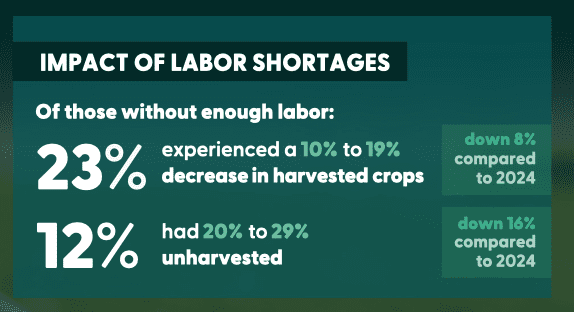
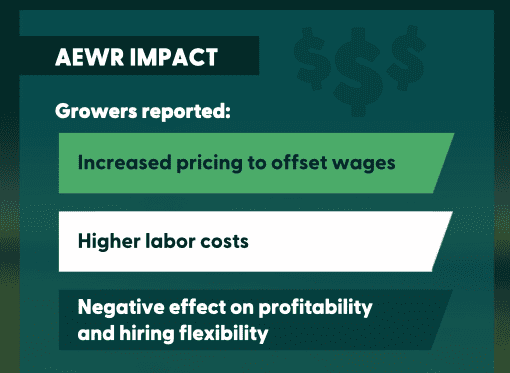
Don’t miss insights from the 2025 GPN Labor Survey Report
The 2025 GPN Labor Survey offers a snapshot of the horticulture industry’s current labor situation for greenhouse and nursery growers across the U.S. The responses reflect a wide range of perspectives and experiences, shaped by the size and type of operation, regional conditions and each grower’s approach to labor management.