

Category: Controlled Environment Agriculture
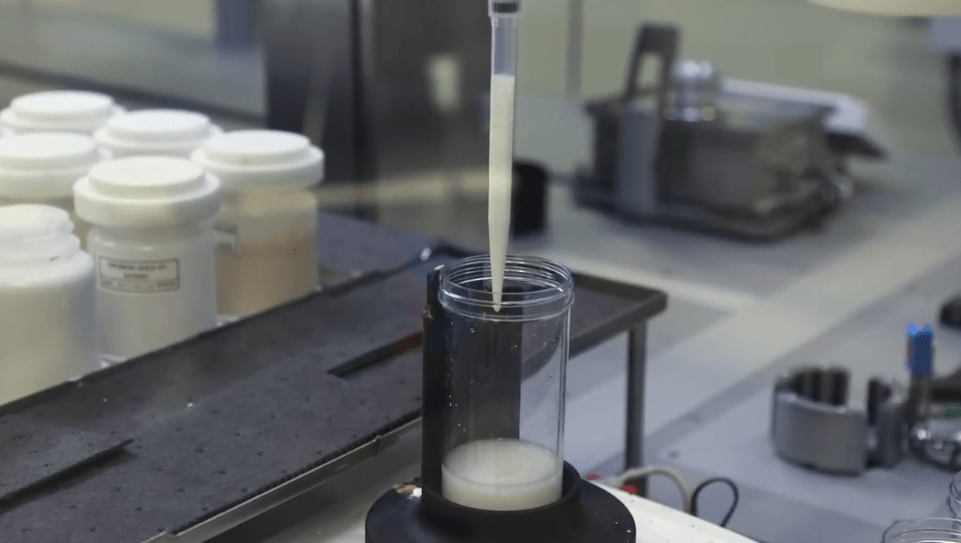
Syngenta uses ATLAS robot to improve tank-mix testing and customer support
Syngenta introduced its ATLAS automation robot to accelerate tank-mix compatibility testing and improve product development and troubleshooting.
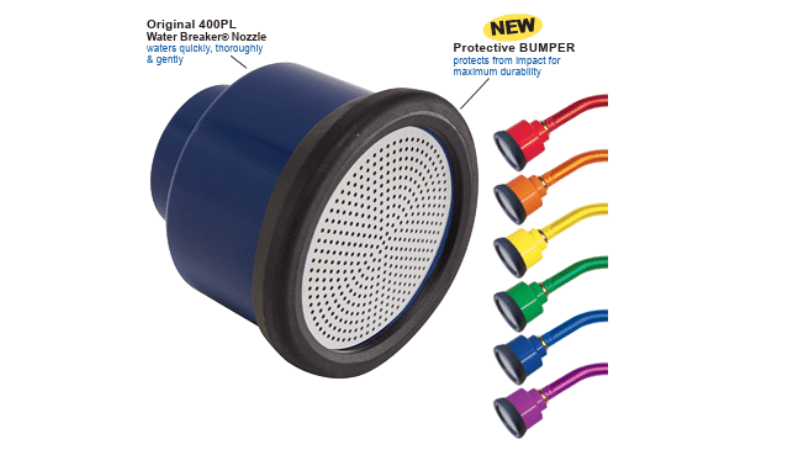
Dramm adds protective bumper to rain wands, improved hose reel and guide
Dramm introduces reinforced Rain Wands and upgraded greenhouse watering equipment, including a new hose reel and heavy-duty hose guide.
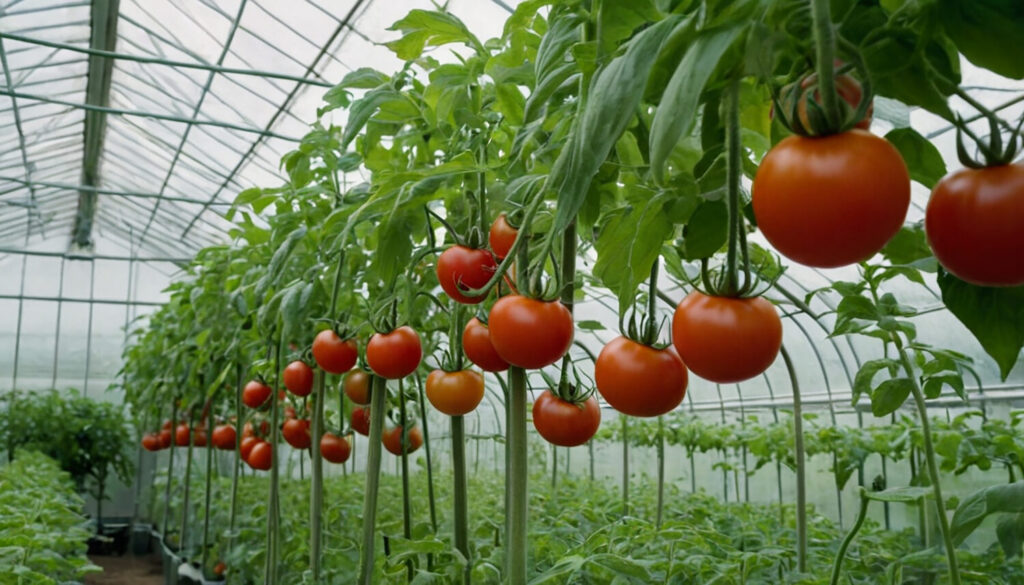
How AI is helping greenhouse growers catch tomato diseases before they spread
Learn how AI-powered computer vision helps greenhouse growers detect tomato diseases earlier, improving scouting and enabling targeted treatment.
Farwest Show to feature automation, education and networking opportunities
Farwest Show returns Aug. 26-28 with seminars, an Automation Summit, nursery tours and networking events.
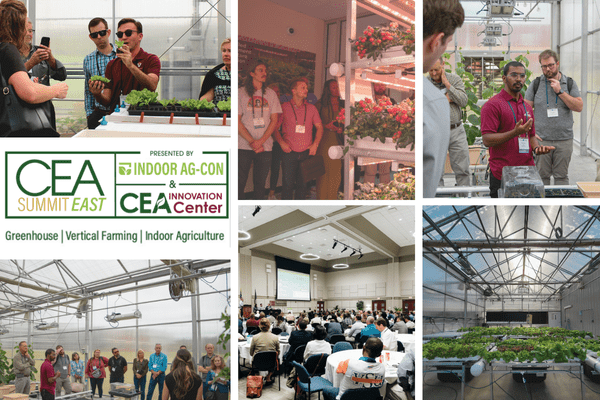
CEA Summit East 2026 announces conference program for September event
CEA Summit East has released its 2026 conference program, featuring four educational tracks, greenhouse sessions and industry panels Sept. 15-16.
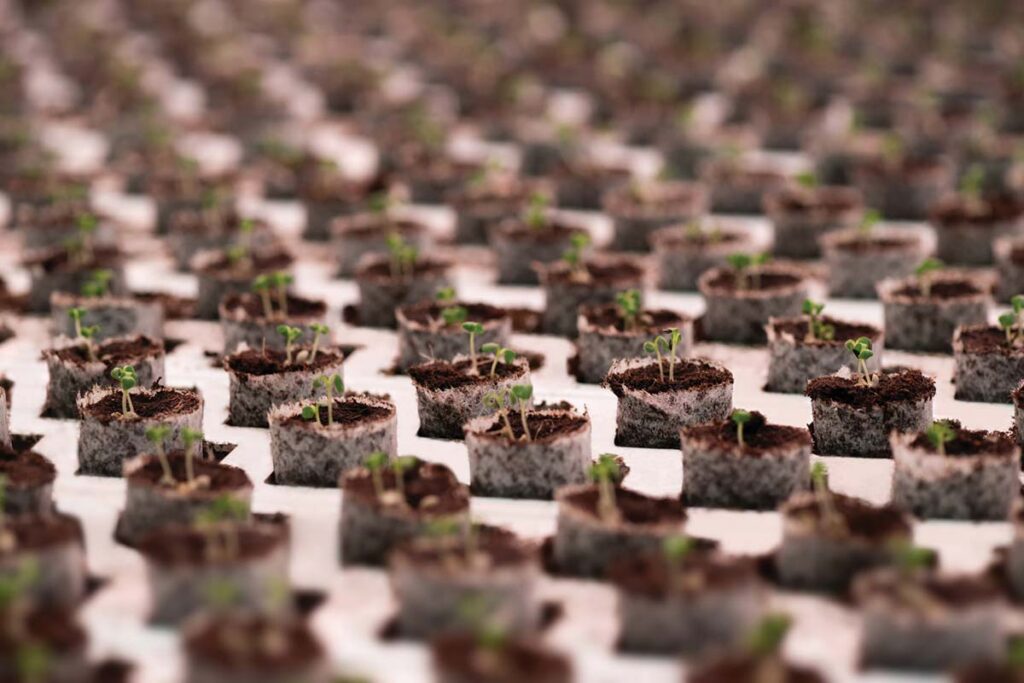
Healthy root zones: Strength below the surface
Growing media innovations help strengthen roots while improving water management and efficiency. Compare biological strategies and evaluate substrate options.
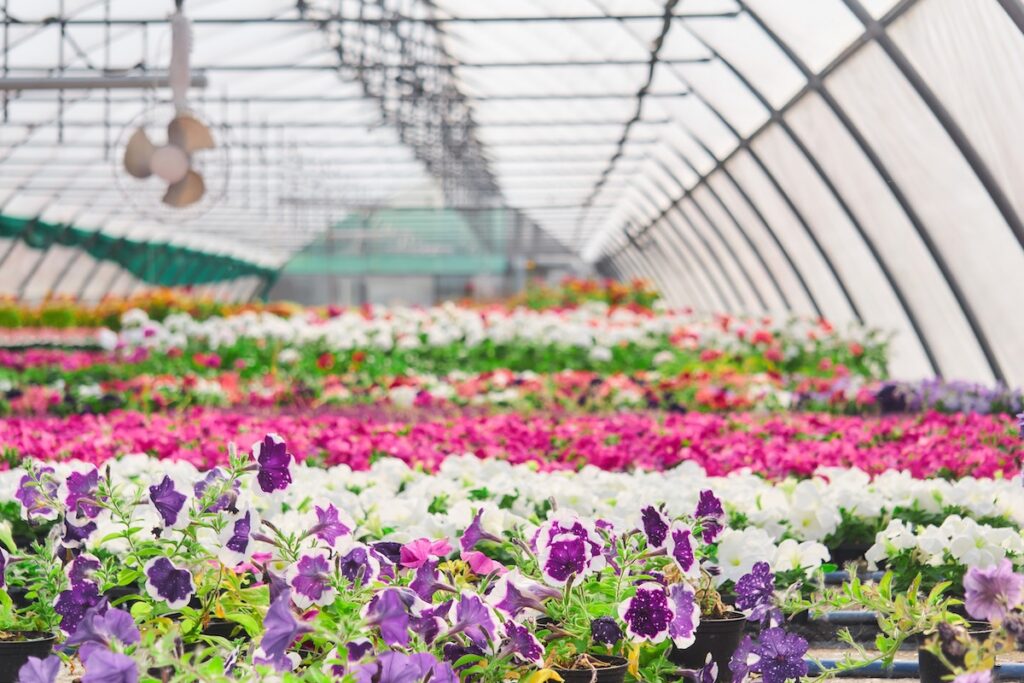
HortINspire aims to connect global controlled environment agriculture experts
WUR has launched HortINspire, an international network connecting growers, researchers and industry partners in controlled environment agriculture.
CEA Alliance highlights indoor farming food safety practices amid Cyclospora concerns
CEA Alliance says indoor-grown leafy greens use closed-loop water systems and controlled environments to reduce food safety risks.
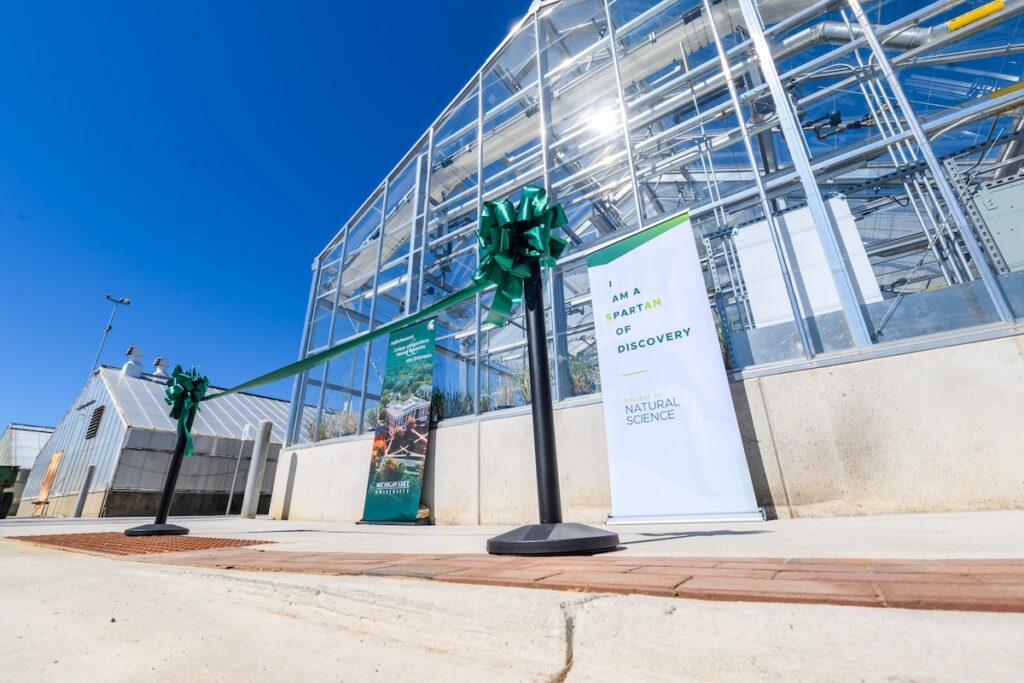
Renovated MSU research greenhouses expand plant science capabilities
Michigan State University completed the first phase of its Plant Science Research Greenhouse Complex renovation, modernizing 60% of the facility.
Envu renames Aliette WDG to Teclera fungicide for ornamental growers
Envu has renamed Aliette WDG as Teclera fungicide. The formulation remains unchanged and is now available for ornamental growers.
BioSafe Systems launches SynQ microbial consortia for greenhouse and hydroponic production
BioSafe Systems introduced the SynQ microbial consortia line to complement PAA products for greenhouse, nursery and hydroponic production.
BASF plans interactive exhibits, technical support at Cultivate’26
BASF will showcase greenhouse and nursery crop protection products, technical expertise and interactive exhibits during Cultivate’26 in Columbus.
SEPRO Land expands ornamental crop protection portfolio with two new products
SEPRO Land introduced Barracuda Insecticide/Miticide and BattleLine Fungicide for greenhouse and nursery growers. Products ship in October 2026.
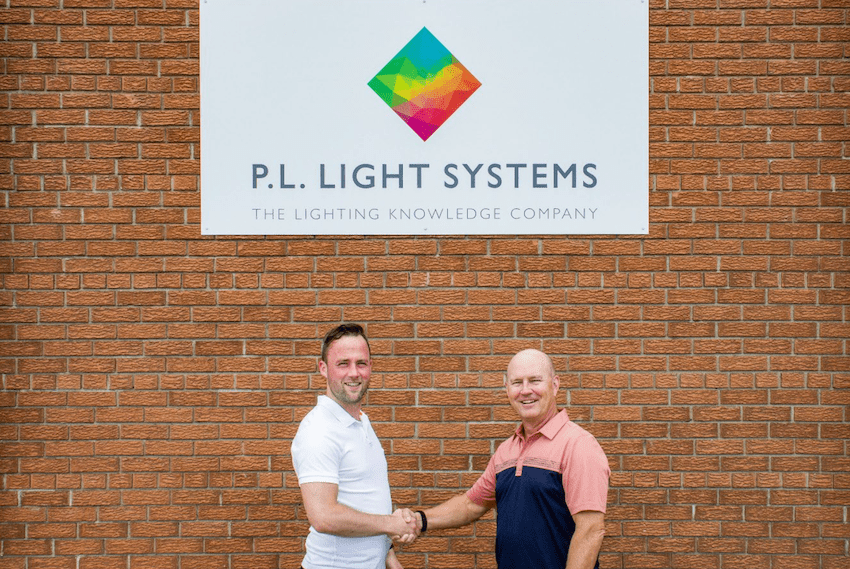
P.L. Light Systems partners with Dutch Lighting Innovations to support North American growth
P.L. Light Systems has partnered with Dutch Lighting Innovations while maintaining independent North American operations.
Water quality and treatment training for greenhouse, nursery professionals
UF/IFAS Extension will offer its online Water Quality & Treatment course starting July 6 for greenhouse and nursery industry professionals.
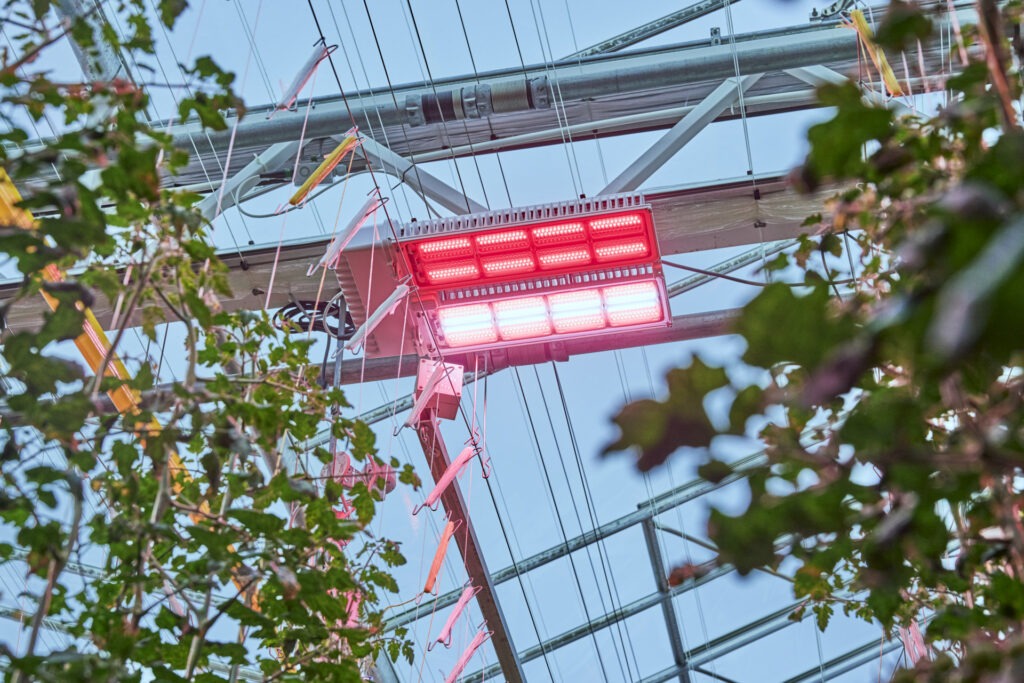
Signify adds performance and elite options to Philips GreenPower LED toplighting force line
Signify introduced Performance and Elite versions of Philips GreenPower LED toplighting force for growers with different investment goals.