

Two plant classics take the 2026 spotlight
Azaleas and impatiens earn 2026 honors as breeding advances improve durability, disease resistance and garden versatility.





Azaleas and impatiens take center stage in National Garden Bureau’s annual program
Every year, the National Garden Bureau (NGB) designates six crops to be honored as “Year of the” winners to promote throughout the North American market. Each plant is chosen for its versatility, popularity, genetic diversity and ease of production.
NGB has named 2026 the Year of the Azalea for the perennials category and the Year of the Impatiens for the annuals category. I chatted with a few industry experts to learn insight into why each plant earned this well-deserved distinction.
YEAR OF THE AZALEA
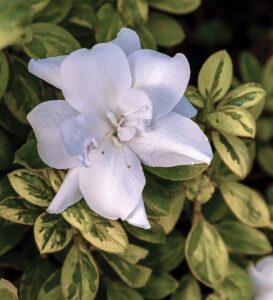
Azaleas, known for their range of sizes, colors and climate sturdiness, make excellent additions to any garden. Robert “Buddy” Lee, inventor of Encore Azalea, and Natalie Carmolli, public relations specialist for Proven Winners Color Choice Shrubs, join me in the azalea conversation.
GPN: Why do you think the azalea was selected as the 2026 “Year of the” crop?
Buddy Lee: Azaleas have been a fixture in American landscapes for generations. Their lasting popularity speaks to how well they perform and how adaptable they are. This recognition has been a long time coming and is well deserved. Azaleas have strong root systems and don’t demand constant pruning.
Natalie Carmolli: Azaleas deliver many of the qualities growers and gardeners are looking for — stronger and more resilient varieties. When the large, white azalea in my front garden bursts into bloom, it’s one of the most dramatic moments in my landscape. The best thing about it? I do almost nothing to make it happen. These plants only require a bit of acidic soil and reward you with stunning blooms in spring.
GPN: What breeding advancements or genetic improvements have you seen in azaleas in recent years?
Lee: For Encore Azalea, the biggest responsibility is making sure we’re putting out a plant that performs beyond the pot. It must root well and handle environmental stress. We’ve seen real improvements in terms of cold hardiness, with many of our varieties hardy to Zone 6, as well as the sun tolerance our entire collection is known for.
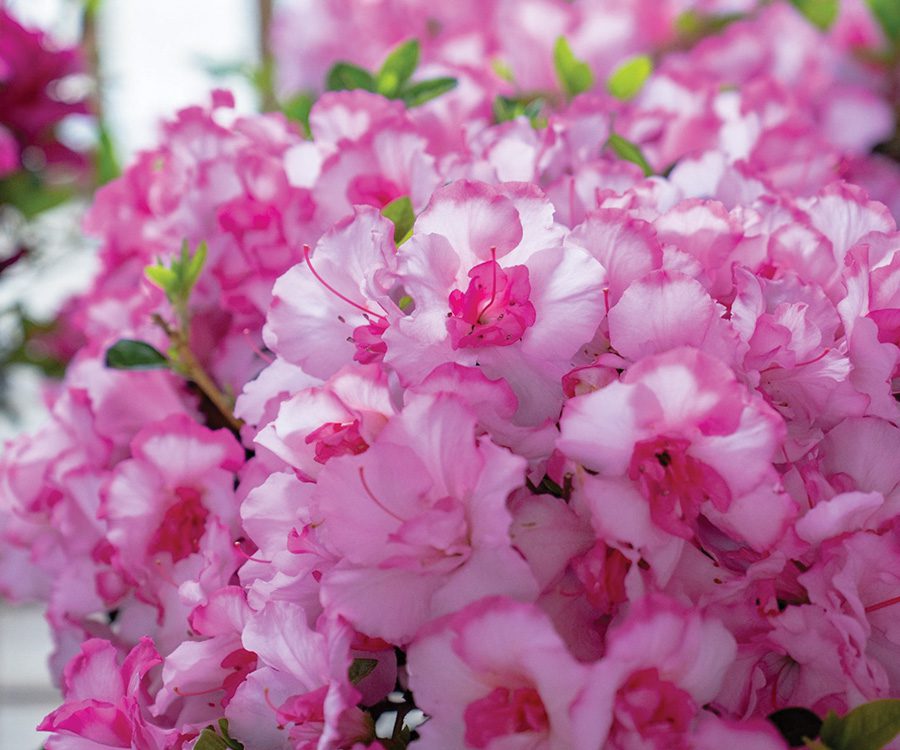

New varieties like Autumn Kiss and our upcoming release Autumn Velvet showcase distinctive coloration, adding something visually different to the category. And Autumn Moonstruck brings an entirely new dimension with variegated foliage.
Carmolli: We are seeing more reliable reblooming, improved hardiness and better overall garden durability. A great example is the Perfecto Mundo series, which are bred to be naturally more compact so they fit comfortably into smaller foundation plantings and mixed borders. They also show improved resistance to some of the common azalea pests.
Some gardeners believe azaleas are old-fashioned, finicky or limited to certain regions. The improved genetics in new varieties can help retailers create a much stronger message around hardiness, rebloom and landscape versatility.
YEAR OF THE IMPATIENS
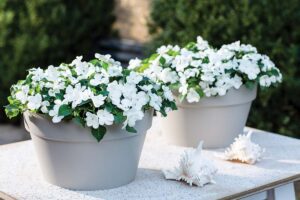
Impatiens are known for their lush displays, vibrancy and adaptability, earning them a spot as a timeless favorite across the industry. To gain more insight into why impatiens are deserving of this recognition, I spoke with Justin Hancock, horticulturalist at Costa Farms; Lisa Lacy, director of product management for PanAmerican Seed; Marcus Jansen, product development manager at PanAmerican Seed; Robert “Bob” Croft, product technical manager at Sakata Seed America; and Alicain Carlson, head of marketing for Syngenta Flowers.
GPN: What makes impatiens appealing in today’s market?
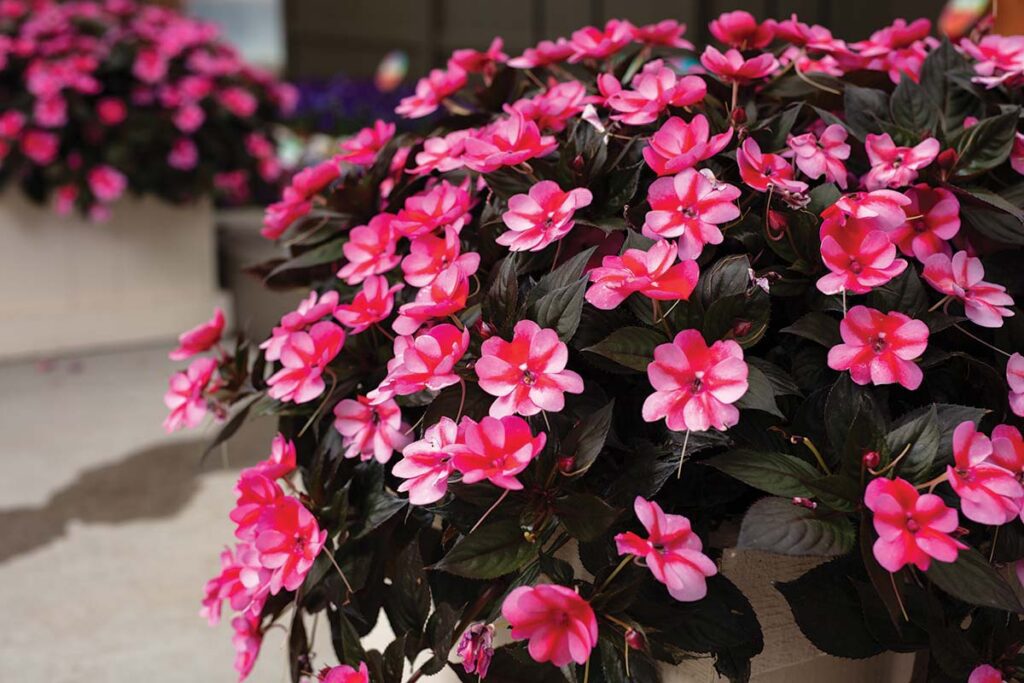
Justin Hancock: Impatiens don’t have a good one-to-one alternative that is as easy for the grower and home gardener, performs well in shaded spots and offers such a wide color range or impact. With the release of SunPatiens, this series brought sun-tolerance into the genus in a major way and offered home gardeners a line of plants that thrive in both sun and shade with more versatility on where you can grow them.
Bob Croft: Impatiens are less attractive to insects, so no spraying is needed. And since they are nectar-rich, impatiens attract hummingbirds and other pollinators for both entertainment and ecology. Many consumers are “decorators” and are motivated to purchase pre-mixed combination containers and hanging baskets. Sakata is launching the smaller profile SunPatiens Petite, ideal for containers and hanging baskets. This will flower well in shadier locations, similar to New Guinea types with stronger flowering throughout the season.

GPN: What challenges exist with impatiens, and how are growers successfully navigating them?
Alicain Carlson: There was a time when impatiens downy mildew (IDM) was wiping out entire landscapes of Impatiens walleriana in both North America and Europe. As the disease was spreading and the industry was working on a genetic solution, many growers and consumers moved away from utilizing Impatiens walleriana in their gardens.
Breeders have invested significant time and expense in developing disease resistance to IDM, so this advancement in floriculture breeding absolutely deserves the limelight. Now we want to re-emphasize to the home gardener and growing community that there are new and improved options that solve this problem so Impatiens walleriana can take back the shade.
Marcus Jansen: Breeding for interspecific impatiens has also brought the benefits of plants that are “rebound-ready,” or plants that can rebound from a dry down once watered without aborting flowers like New Guinea impatiens. The industry is breeding for functional solutions to problems beyond new colors and patterns out on the market.
GPN: Are there any exciting new or upcoming impatiens introductions that retailers should have on their radar?
Lisa Lacy: Impatiens are excellent options for combination containers, either monoculture or mixed with other shade-loving plants. And, with disease-resistant varieties like Beacon, new impatiens breeding brings a lower-risk option growers can offer their customers, especially landscapers. Beacon has a collaboration with Roots for Youth, a scholarship trust that empowers teens and young adults to continue their road to higher education after enduring family tragedy or loss.
Jensen: I find that both seasoned garden experts and new gardeners can find excitement around and success with impatiens. Impatiens are the workhorse of our annual gardens, providing color and garden fill throughout the season, powering through the months from May right up until frost in many regions.
Gabrielle Rippel is a freelance writer with experience in multiple industries. Check out her recent work at getagrippel.com.