

Forty Under 40 Perspectives: Plants that look good dead
Learn why selecting perennials that look good even in dormancy adds four-season interest. Explore the plants that add structure to landscapes all year.


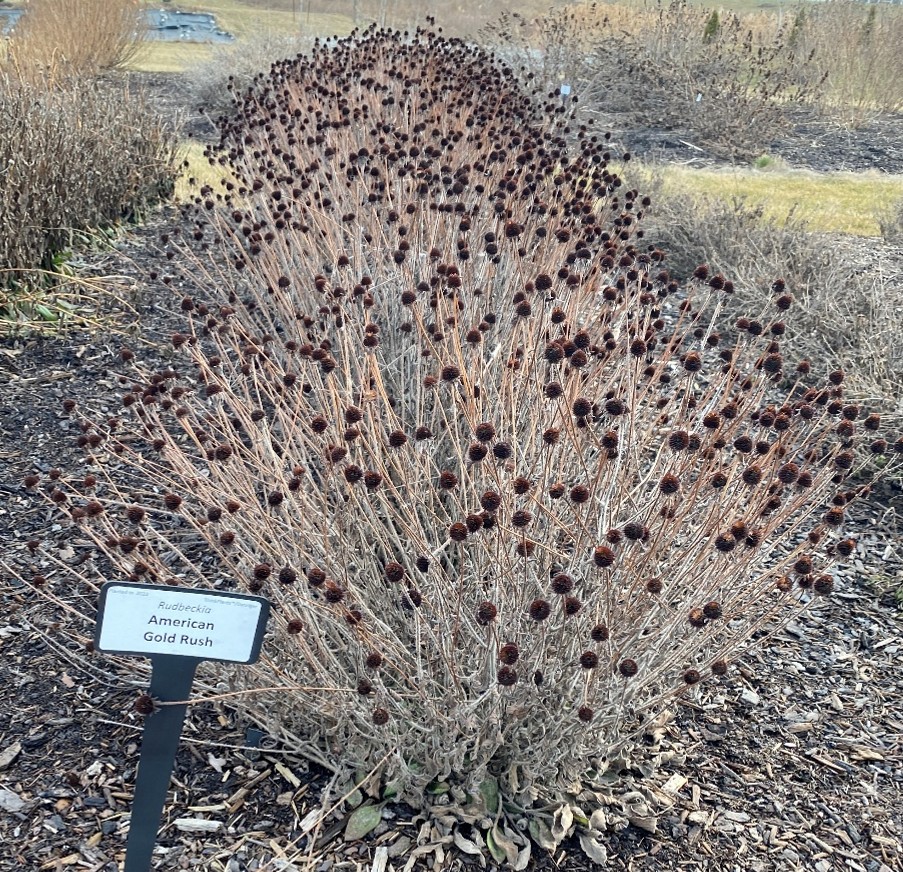
The first time I visited Landscape Ontario and the University of Guelph trial gardens, I was given a tour by trial coordinator Rodger Tschanz. He walked me through the criteria used to judge perennials in the trial garden. Among other aspects, hardiness, landscape performance and how it looks when dead are noted in the evaluation.
Not to be taken literally, of course. Only the flowers, leaves and stems of these perennials die for the winter months, while the roots and base go dormant until spring, when plants will leaf out and bloom again.
Rodger’s inspiration for selecting landscape plants that look good through at least three seasons comes from Piet Oudolf, a Dutch garden designer and leader in the “New Perennial” movement. Oudolf aimed to look at the whole picture to design gardens that look beautiful year-round by using plants that add value to the landscape past the flowering periods.
When the cold weather hits and our gardens begin to succumb to frost, it becomes quite easy to appreciate this mentality. Genera that hold stems and petals proudly as they enter winter dormancy, such as echinacea, stand out in the garden more than genera such as hosta, which quickly become unattractive as hard frosts occur. These beautiful dormant plants add texture and interest to the shoulder seasons in a way that nothing else can.
This is especially valuable in the gardens of the northern U.S. or Canada where we have much shorter growing seasons. Early frosts wipe out our favorite blooms far too soon and these “plants that look good dead” add interest to the garden until it gets blanketed by snowfall.
BEAUTY IN WINTER

In essence, it looks good dead! Or rather, dormant.
Similarly, echinacea are a versatile addition to your winter garden and come in a wide range of heights, habits, flower sizes, input types and colors. A ThinkPlants team favourite is the echinacea purpurea SunMagic series from Bull Plant Genetics. These compact varieties branch heavily from the crown to create a bushy habit with a full, even canopy of blooms. As the flowers age into the winter months SunMagic holds its cones well (as any worthwhile echinacea should). These cones add contrast to the garden, similar to rudbeckia, and become a useful piece of architecture for birds to perch on.


The upright stems from any of these genus’ are excellent for collecting snow into mounds and add texture to the winter landscape. English lavender (Lavandula angustifolia) and perennial grasses are perfect for this as well. Available in a multitude of colors, heights and textures, it’s hard to imagine a garden that wouldn’t benefit from the addition of a few hardy grasses.
If your landscape needs additional height and structure, shrubs are a useful addition that can look attractive year-round. Hydrangea paniculata are arguably one of the best flowering shrubs for adding winter value. Paniculata come in a wide array of heights and habits, from 10+ feet tall to ultra compact varieties like ‘BloomChampion Fresh White’ that only reaches 30 inches tall. Fresh White has the added benefit of a beautiful color change from white to shades of pink and red in the autumn, which then dry on the plant for preserved blooms through the winter months.


As winter approaches, I hope you continue to enjoy your gardens as they transition to dormancy. While we all love the emergence of new growth in the spring and the bounty of blooms that fill the summer months, don’t forget to appreciate the beauty found in an autumn garden or a snow-covered landscape.
Photos courtesy of Anik Graves.