

Crossing Over: Vegetable Diseases in the Ornamental Greenhouse





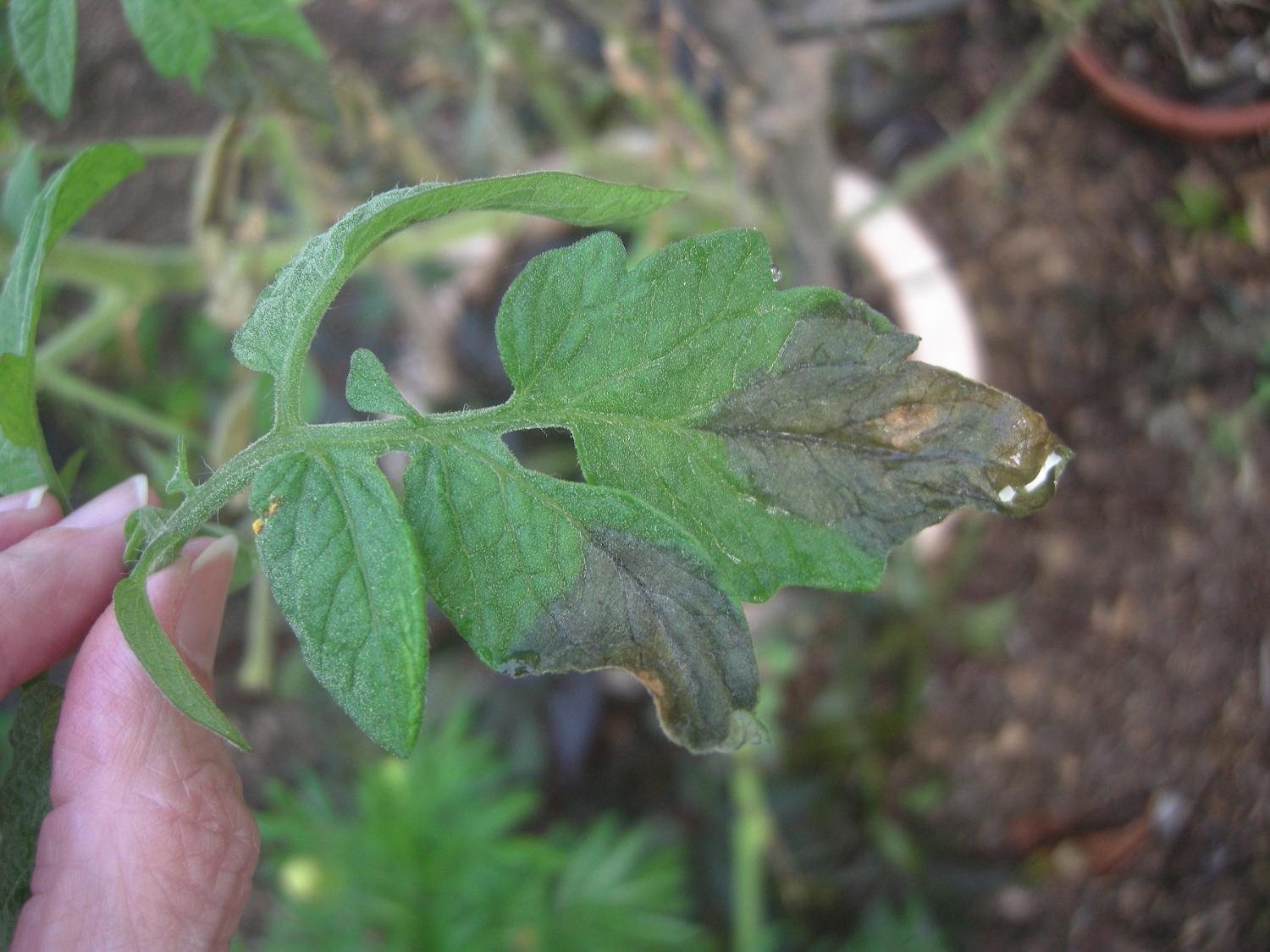
Some of the pathogens of vegetables are fairly non-specific in their host range and are already an issue in many ornamentals. These cause diseases like Botrytis blight, damping-off (caused by Pythium and Rhizoctonia spp.) and even some viruses. There are also cases where diseases common to vegetables transfer to ornamentals. Examples of these are late blight on tomato, which can occur on petunia, and powdery mildew on squash and pumpkin, which regularly is found on verbena. Knowing where a problem originates is a critical step in controlling a disease. The exchange of diseases between ornamentals and vegetables is often a surprise to the grower and can result in large losses. Learning when to anticipate a crossover problem can save dollars.
Gray mold is caused primarily by the wide-ranging fungus Botrytis cinerea and is very common on dahlia, fuchsia, geranium, cyclamen, exacum, poinsettia, pansy and lisianthus — but really all ornamentals and many vegetable and herb crops can be affected by this non-discriminating fungus. We often see it causing losses in production of plugs and cuttings where humidity reaches a high level. Botrytis blight does look more or less identical regardless of crop, so identifying it on a vegetable or herb should not be too difficult. Watch for largish brown spots or stem lesions that dry to a tan color. The challenge comes in knowing which of these non-ornamentals are most sensitive to Botrytis and which products can be used to control Botrytis on these crops legally.
Late Blight
Late blight is a classic disease of potatoes caused by the foliage- and stem-attacking oomycete, Phytophthora infestans. In recent years, the strains of P. infestans found in the United States have included some quite harmful to tomatoes but fairly mild on potatoes. So tomato growers (especially those who grow organically) in turn have become savvy about the disease.
Enter the greenhouse flower industry, seeking to capitalize on the new craze among homeowners for healthy edibles grown on their own doorstep. Although ordinarily most of the plug production for the Northeast is supplied by northern greenhouses, there has been a historical tendency for the vegetable production industry to use a lot of southern grown transplants. In 2009, a good proportion of tomato plugs for the homeowner market were produced in the south, while growers in the northern United States finished the crop for sale to big box stores or independent retailers. Ordinarily overwintering of P. infestans isn’t a problem on tomatoes in most production areas, because the pathogen isn’t carried over on tomato seed, and the plants themselves don’t manage to overwinter in areas where temperatures go below freezing. But weather shifts and changes in the pathogen strains have increased the opportunity for P. infestans that overwinters in south Florida to work its way north to connect to early-season production in areas protected from overwintering by frost.
Tobacco Mosaic Virus
On top of the need to be wary of potential late blight symptoms, being on the alert for Tobacco mosaic virus (TMV) is especially important for petunia growers who also produce tomatoes. Many of the commercial varieties of tomatoes grown today have resistance to TMV (and other diseases) — but the increasingly popular “heirloom” varieties of tomatoes do not have these resistance features. A greenhouse flower grower supplying heirloom tomato transplants to farmers could create a disastrous disease problem if TMV-contaminated petunias were brought into contact with the tomatoes during production! TMV-affected tomatoes may have distorted or mottled foliage as well as reduced yield and poor fruit quality, including uneven ripening and gray interior walls. Because TMV is spread merely by handling, it is particularly likely to be moved from flowers to vegetables or vice versa. Many other viruses can infect herbaceous perennials and vegetables, moving freely back and forth and making control strategies very tough to implement. For example, Cucumber mosaic virus (CMV) and Alfalfa mosaic virus (AMV) have both vegetable and flower crops on their menu; if unfamiliar symptoms are seen on a flower crop, diagnosis may be important for the sake of vegetables in the same greenhouse.
Cucurbit Powdery Mildew
Growers who produce cucurbits as well as verbenas need to be aware of potential crossing over of powdery mildew from vegetables to flowers or vice versa. The usual direction is that verbenas overwintered in the greenhouse may be inconspicuously infected on their lower leaves with powdery mildew (Podosphaera xanthii). This problem may go unnoticed until cucumbers or zucchini are started in the greenhouse in the spring; air movement is enough to transfer spores from flower to vegetable. In other cases, the vegetative cuttings used to propagate some verbenas may be infected with powdery mildew, starting a potential outbreak of the disease on cucurbits without any need for over-wintered verbenas. The chemicals labeled for use on greenhouse ornamentals for powdery mildew control are not usually labeled for use on edible greenhouse crops, so a spring powdery mildew epidemic can present a real management challenge. Keeping cucurbit (squash family) crops physically separate from verbenas is a good policy.
Conclusions
The diseases of vegetables and herbs have become increasingly relevant to the greenhouse grower, who may have plenty of knowledge about ornamental diseases, but know precious little about these “new” crops. Our advice is that you not expand into edible plant culture blindly. Keep edibles separate from ornamentals wherever possible, so that problems will have less opportunity to move from vegetatively-propagated ornamentals to seed-propagated edibles. Separation also makes it easier to use different materials for control in ornamental vs. edible growing areas. Starting vegetables in separate (and very clean) houses might protect them from early contact with Western flower thrips that could be infesting flowering crops elsewhere on your premises. Western flower thrips will move readily between ornamentals and edibles, transmitting TSWV or INSV to bell peppers, for example, if the virus has previously been acquired from a diseased ornamental. Tomato crops should be raised away from flowering solanaceous crops (petunia) as these might be the source for TMV or late blight. Think of vegetable and herb production as a specialty that requires more research and consideration than you might expect, and you will be rewarded with successful culture of these popular crops.

