

Greenhouse inventory management: It’s a numbers game
Greenhouse inventory management depends on accurate tracking, forecasting and production timing. Learn key strategies and review practical methods.





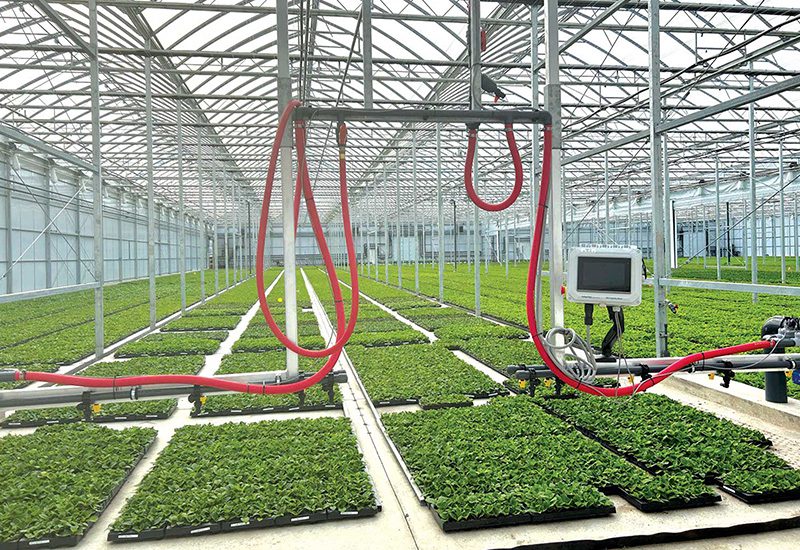
Operation size, location, crops and customer base influence growers’ choice of inventory management
Properly managing green- and hardgoods inventories can seem like a monumental task at times. Typically, the methods used to track these inventories are based on a greenhouse operation’s size and/or number of crops produced.
“There is a difference in how inventories are managed by growers on different scales and operation types,” said Heidi Lindberg, greenhouse and nursery extension educator at Michigan State University Extension. “Large operations and young plant producers often use software systems such as Picas that forecasts availability based on what is growing on the bench and what they could bring in and produce in a specific amount of time.”
Usually, inventory management comes down to operation size, how much plant material is produced and customer base, Lindberg said. Large operations are more likely to have the financial resources to invest in software-based management systems, which is the most common barrier to adoption by small growers.
“Young plant growers who produce a lot of different varieties need a way to manage their inventories more than small growers who may be producing lots of one type of crop or a lot of a few types of crops as opposed to hundreds of different varieties or crops,” she said.
Lindberg said another advantage of software systems like Picas is that it gives the growers’ customers access to plant inventory and availability lists.
Many small- to medium-size operations Lindberg works with are still manually counting or using Excel spread sheets to track inventory.
“One contract grower who is growing for a larger operation is using what is called ready sheets,” she said. “These sheets list the plants ready for sale and at what stage each crop is. The larger grower using the contract growers has an employee who visits and estimates plant availability based on the contract growers’ tracking of crop production.”
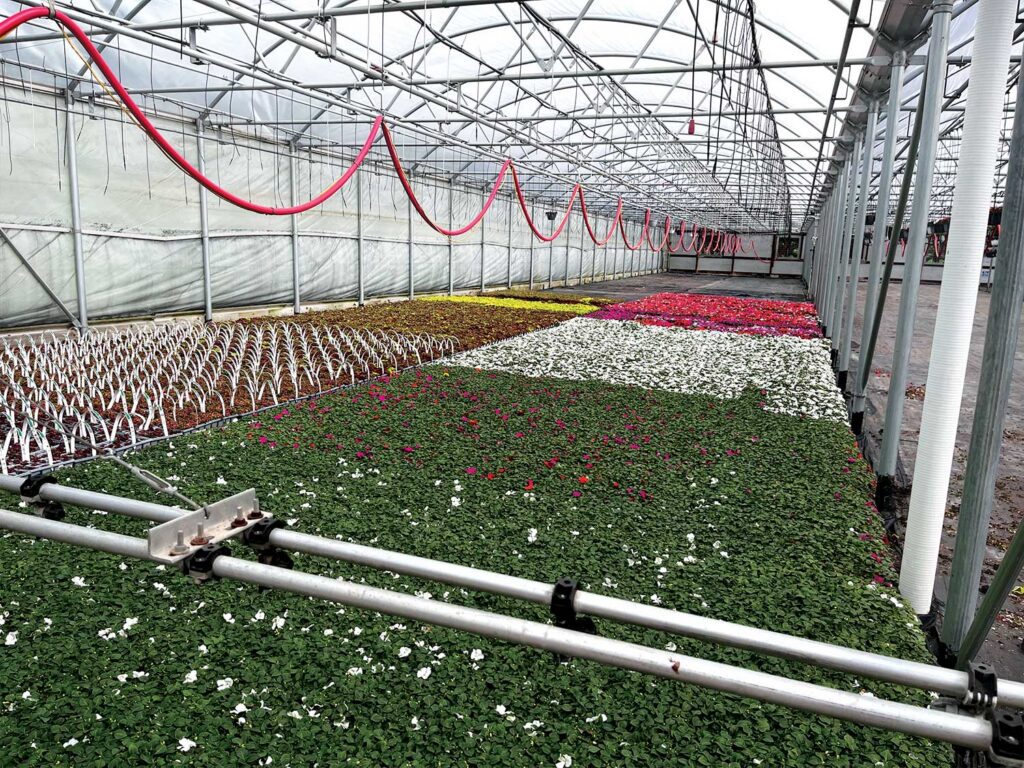
TRACKING PRODUCTION NUMBERS, AVAILABILITY
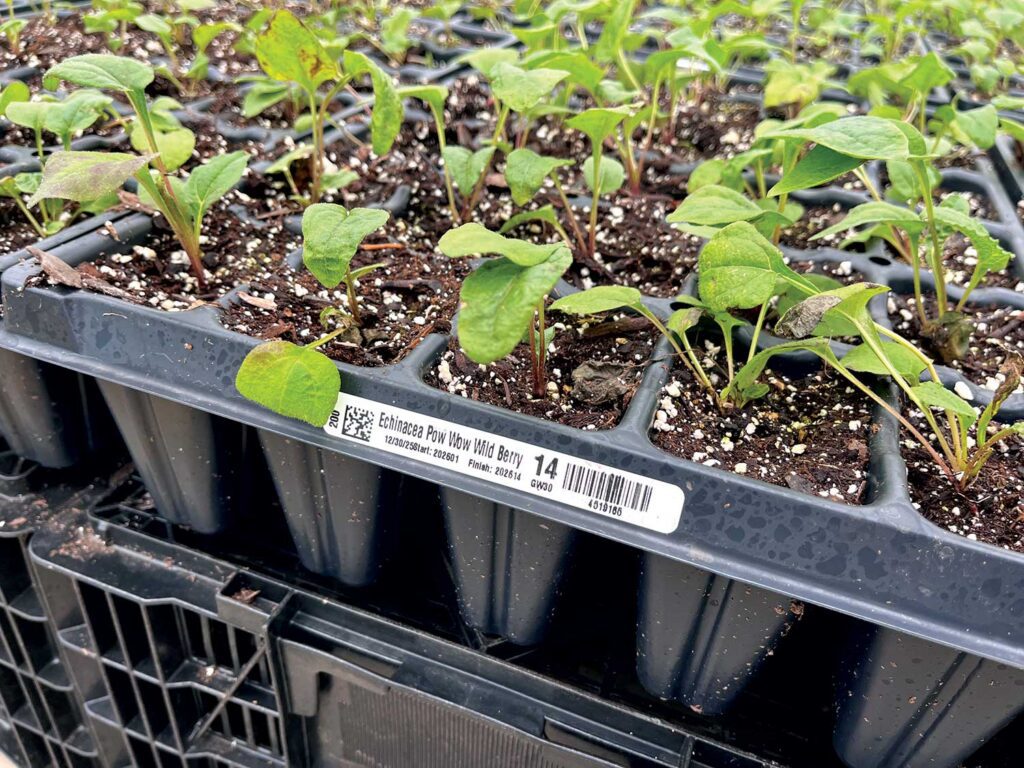
Bar codes play a key role in tracking containers from planting through shipping.
“Larger operations are barcoding their inventory using the management software to track it,” Lindberg said. “On the production line, growers can use bar codes that are attached to each container as they move through the line. They can incorporate that information into the inventory system so they know what and where plants are going into the greenhouse.”
Barcoding gives growers, especially young plant producers, easy access to plant locations so they can efficiently pull orders. Growers can also go into these systems to adjust the numbers should a crop loss occur, keeping availability updated.
Inventory management software also helps growers manage their crops more efficiently.
“Real-time availability of what is actually being produced in a facility is much better than estimates or having to go out into the greenhouse and manually count,” said Lindberg. “That is much more labor-intensive and may not be as accurate.”
MORE LOCATIONS, PLANTS, ISSUES
Ashtyn Chen, Midwest sales manager at AdeptAg, said small growers with one location can usually manage inventory with Excel spreadsheets, particularly when the cost of a more advanced system doesn’t make sense.
“These smaller operations typically have someone on staff who is focused on inventory, which is the easiest way to manage the numbers,” Chen said.
Once growers start operating multiple locations or growing a large variety of crops at various stages of production, it becomes more complex to manage inventory, he said.
“This is when growers need to start looking at specialized software, because Excel spreadsheets can’t handle the changes that are occurring so frequently,” Chen said. “Logistics become easier to handle with inventory management software.”
Large operations that work with contract growers often have a consultant to help sort through inventory management issues as well.
“It can take a lot of work and time to figure out where the plants are located,” Chen said. “Also, knowing what plants are available for shipping — including exact size and variety — help growers sell quickly and at the highest margin throughout the year.”
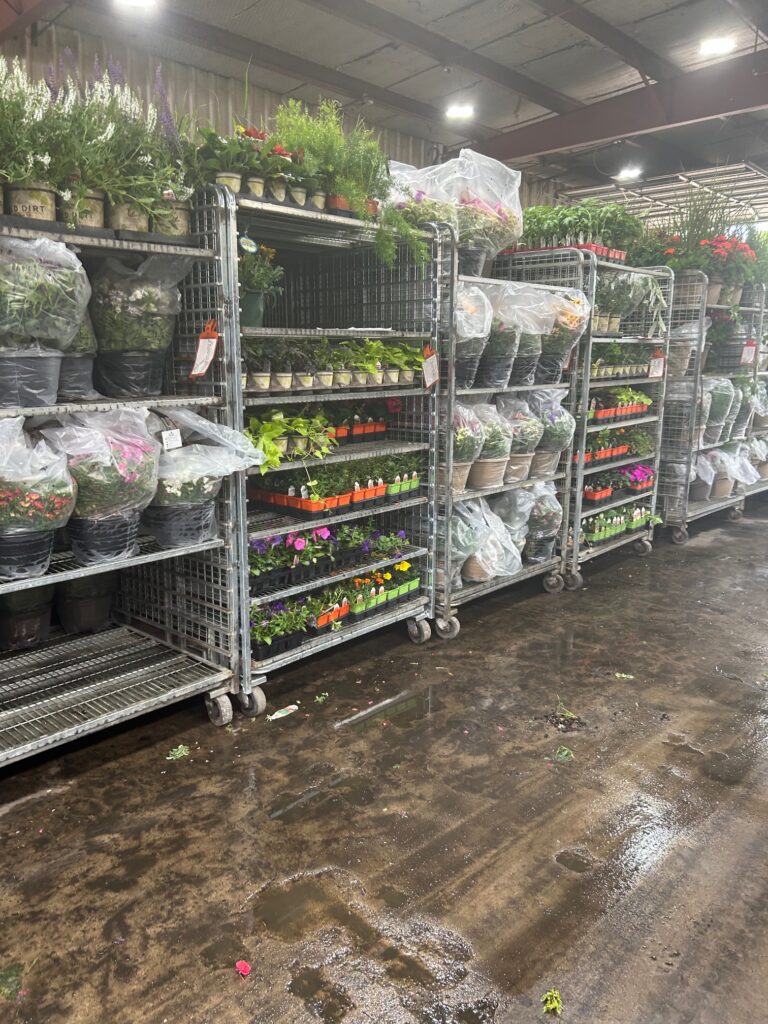
REAL-TIME NUMBERS
Chen said the biggest inventory management challenge, regardless of operation size, is access to updated data.
“For a small, single-location operation, the grower might send out an Excel or PDF product availability sheet to customers on a weekly or biweekly basis,” he said. “Larger growers are transitioning more to Epicor-type or true database software where they can see what they have in stock as far as substrates and containers, as well as finished plants and locations of those plants.
“Growers at this level treat their businesses no differently than other manufacturing companies, optimizing inputs and outputs to operate most effectively and efficiently. There are a number of software companies in this space, including Picas, SilverLeaf by Velosio and Silver Fern. Oftentimes, growers ask other growers with similar operations for recommendations on which software company fits them best.”
Chen said both small and large growers are moving toward a more updated inventory system because operating without accurate stock information is becoming increasingly difficult. At the same time, the cost of more substantial management systems still makes them a better fit for larger operations than smaller ones.
KEEPING SCORE
AdeptAg offers production pace timers that act as a scoreboard to display production line performance against an established production rate.
“The scoreboard shows worker output in regard to production performance,” Chen said. “The scoreboard focuses on how much is actually produced: for example, 1,000 1-gallon pots hand- transplanted per hour by a crew of five workers. This allows growers to determine how productive their employees are at transplanting and whether their labor is being used effectively.
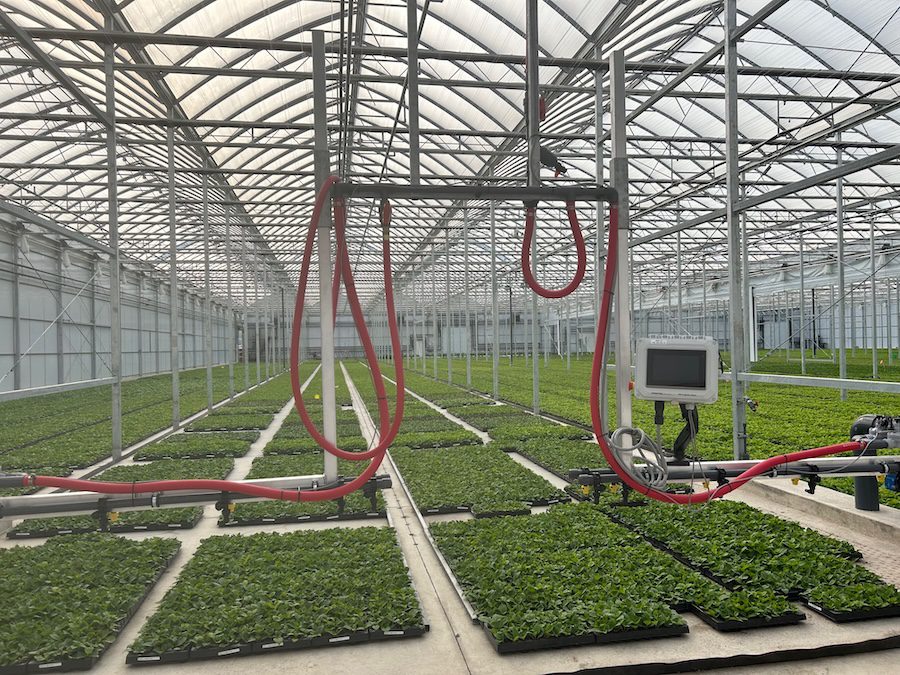
“The scoreboard can assist growers in determining how many plants, containers and substrate were used during production. Other growers have taken this a step further by placing bar codes on the transplanted trays, which can be scanned and used to track where plants are located in the greenhouse and how long they have been there. Individual pots are harder to track, but the easiest way is to place batches of plants on labeled rolling benches, which have markers on them instead. Growers can track when those plants should finish and be available for sale.”
Chen said companies like Picas work with growers to integrate this data to guide decisions related to supplies that need to be reordered and what plants are selling — or not selling — well. That information helps growers fine-tune future production decisions related to plant species, varieties and container sizes.