

LED interlighting boosts greenhouse yields
Greenhouse trials found LED intercanopy lighting increased tomato and cucumber yields by up to 24% under high light conditions. Explore the data and learn how growers improved canopy light distribution.





Key takeaways
- Greenhouse trials found LED intercanopy lighting improved tomato and cucumber yields by up to 24% under high light conditions.
- The technology delivers light directly into lower canopy levels where toplighting and sunlight are less effective.
- Growers in high-radiation regions are using interlighting to improve crop balance, plant development and year-round production.
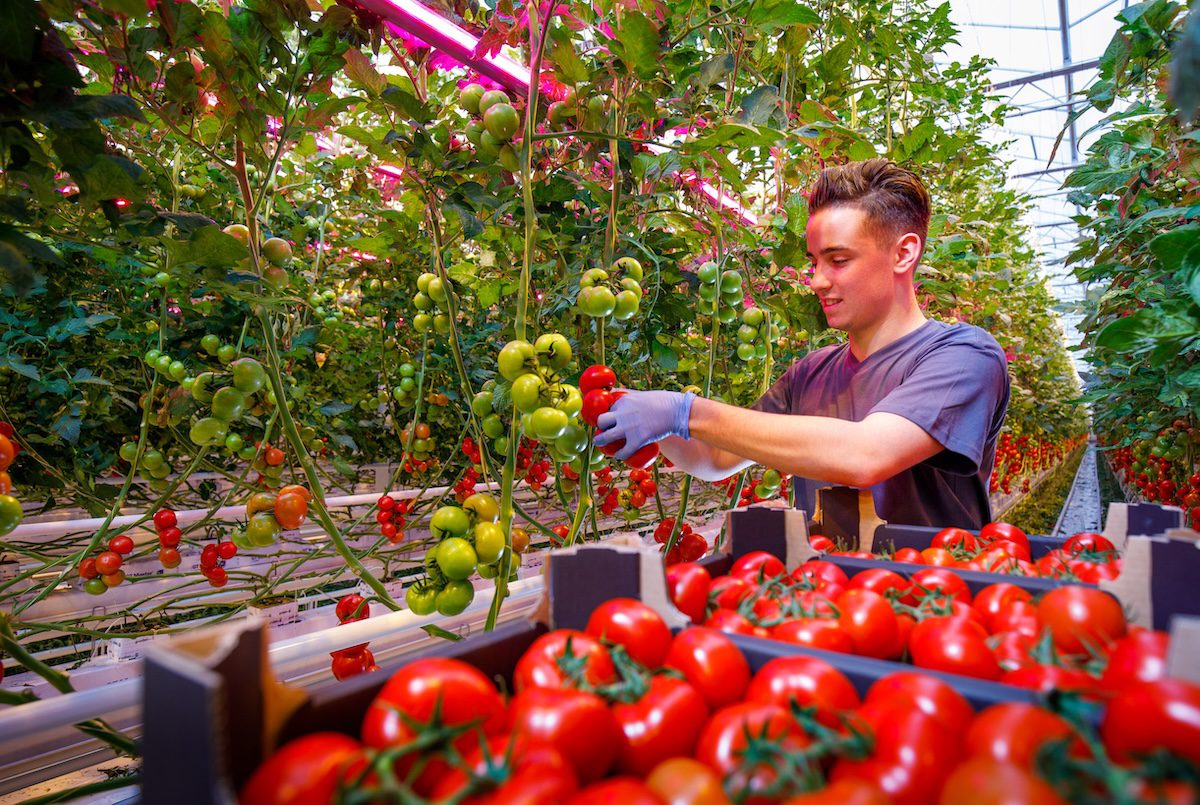
Greenhouse growers are increasingly adopting LED intercanopy lighting to improve light distribution and increase yields in high-wire crops such as tomatoes and cucumbers, according to Philips GreenPower.
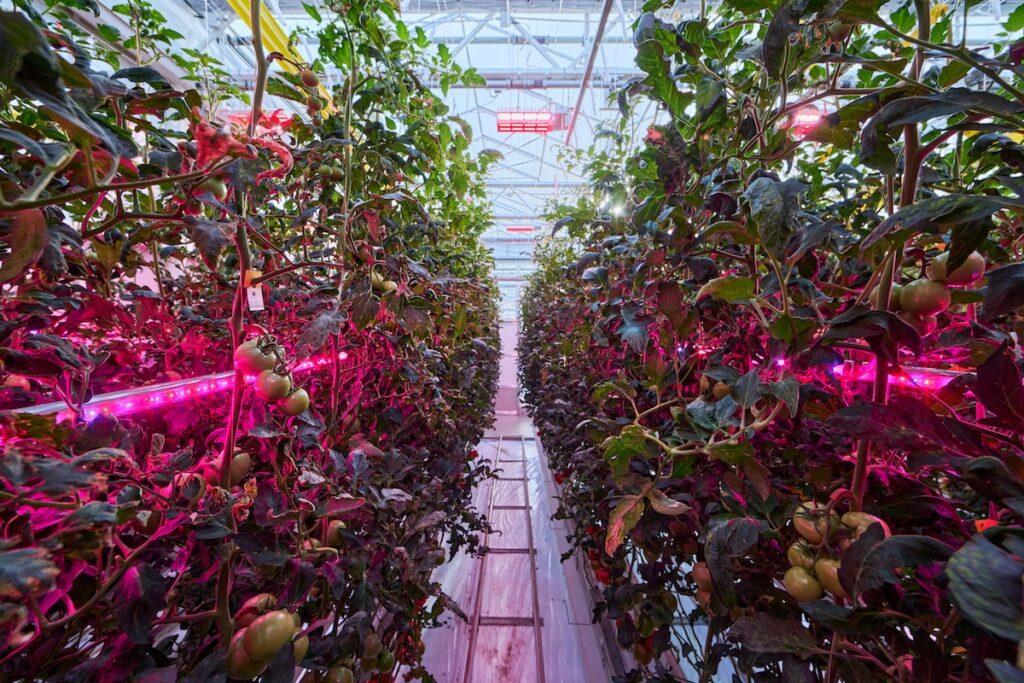
The technology delivers supplemental light directly into the middle and lower sections of the crop canopy, where natural sunlight and toplighting often fail to penetrate effectively. The company said this approach can help reduce upper-canopy light saturation while improving photosynthesis in shaded leaves.
Commercial greenhouse trials cited in the release found that adding intercanopy lighting improved crop yields by up to 24% under high light intensities. In trials using 375 µmol lighting levels, partially replacing toplighting with intercanopy lighting increased yields 20% to 24%, compared to 10% to 12% gains under lower light intensities of 250 µmol.
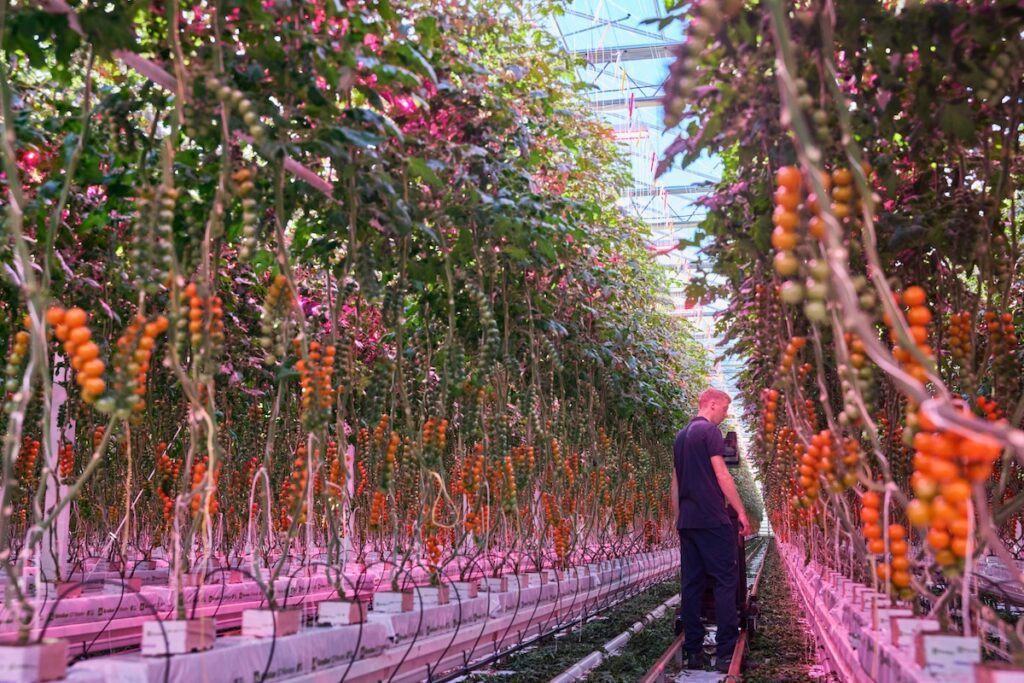
The release also highlighted adoption in Japan, where more than 20 tomato growers have implemented Philips GreenPower interlighting since 2013. According to the company, some growers reported a 1.4% yield increase for every 1% increase in supplemental interlighting, with some operations achieving yield gains of up to 25% compared to greenhouses without supplemental lighting.
Growers in regions with high sunlight levels, including Mexico, China and Japan, are using the systems to improve crop balance, plant development and year-round production while limiting additional greenhouse heat loads. The release said the technology is especially beneficial in lower greenhouse structures where toplighting penetration is limited.
As greenhouse operations increase light intensity levels, growers are evaluating intercanopy lighting as a way to improve light efficiency and crop performance without adding excess heat to the upper canopy.
Photos courtesy of Signify/Philips horticulture LED solutions.