

Long awaited SAWA labor reform drops, H-2A and immigration debate continues
The bill would overhaul the H-2A guest worker program, unlocking access to a previously unattainable worker pool for greenhouse and indoor growing operations.





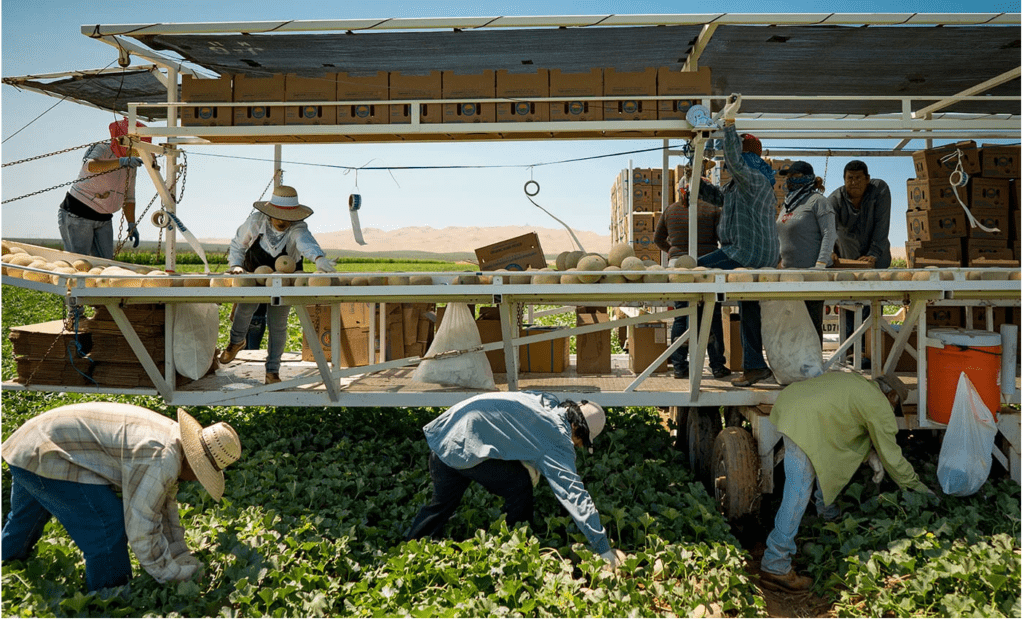
House Ag Committee Chairman Glenn “GT” Thompson (R-Pa.) will introduce new legislation today aimed at overhauling the nation’s agricultural labor system.
So far the expanded H-2A worker availability portion of the bill is drawing strong support from farm organizations while also garnering opposition from immigration advocacy groups over provisions tied to border enforcement and worker eligibility.
The proposal, known as the Securing Agriculture’s Workforce Act (SAWA), seeks to address chronic labor shortages facing specialty crop producers by reforming the H-2A guest worker program, expanding access to foreign-derived agricultural labor and reducing program documentation burdens for employers. Thompson has said the legislation was developed following extensive feedback from growers, who consistently identified worker availability and rising labor costs as challenges.
RELATED – How is labor impacting your operation? Take GPN’s 2026 Labor Survey
According to Thompson, the bill sets out to accomplish three primary goals:
- Controlling labor and compliance costs.
- Expanding access to legal foreign agricultural workers.
- Streamlining the H-2A application and approval process.
Groups including the International Fresh Produce Association and the Ag Wage Reform Coalition said the proposal would help bring down escalating H-2A costs, labor shortages and administrative challenges.
AmericanHort recently sent an email bulletin urging its members to support SAWA, writing “…for the first time in nearly 40 years, there is real momentum in Congress to modernize the H-2A Temporary Agricultural Worker Program. House Agriculture Committee Chairman G.T. Thompson (R-PA-15) has introduced H.R.9535 the Securing Agriculture’s Workforce Act (SAWA), a bipartisan bill that would deliver meaningful, long-overdue reforms to the program that horticulture and specialty crop businesses rely on to meet their workforce needs. As this legislation moves through Congress, it is critical that our members make their voices heard…SAWA addresses [H-2A program] challenges by expanding access for all specialty crop operations, establishing a fair and stable wage methodology and streamlining the administrative process to reduce costly delays.”
National Council of Agricultural Employers (NCAE) president and CEO John Hollay provided the following statement in support of SAWA:
“For decades, American farmers of all kinds have battled a broken, bureaucratic system just to secure the workforce needed to feed our nation, and SAWA finally seeks to provide the reform farmers, consumers and our economy needs,” said Hollay. “This bipartisan bill addresses head-on the exact challenges our organization and ag employers nationwide have focused on for years: expanding access for year-round sectors, implementing predictable cost controls and streamlining the fractured program administration. We are incredibly grateful to Chairman Thompson for his leadership and commitment to protecting American agriculture.”
Maureen Torrey, a 10,000 acre vegetable farmer at Torrey Farms in Elba, NY, provided the following statement via NCAE:
“As the senior member of a 12th generation family farm in Western New York, we are so pleased with Chairman Thompson’s introduction of SAWA,” said Torrey. “This bill will help ensure that the next farm generation will have a secure workforce. Our farm cannot survive or operate without the hardworking people who work with us to harvest our crops and care for our dairy animals. Our rural town cannot survive without a strong agricultural base. Because of this legislation, our customers, including retail, wholesale, schools and food banks will have fresh food grown here in the USA.”
The U.S. Apple Association (USApple) issued a written statement praising Chairman GT Thompson for introducing SAWA, legislation the advocacy agency writes “takes meaningful steps to modernize the H-2A program and align it with the labor realities facing today’s apple growers.”
“Chairman Thompson has consistently been willing to tackle one of agriculture’s toughest challenges: the labor crisis,” said Jim Bair, president and CEO, USApple. “We’re grateful for his leadership, along with the bipartisan support of this bill’s cosponsors.”
Western Growers president and CEO Dave Puglia also issued a written statement in support of SAWA:
“Fresh produce growers in California, Arizona, Colorado and New Mexico have relied on the H-2A program out of necessity, but the program has not kept pace with the realities of modern agriculture,” said Puglia. “It remains too difficult and expensive for many farmers who depend on it for access to a legal and reliable workforce. More predictable wages are essential to keeping American agriculture strong and fresh produce affordable for consumers.”
The International Fresh Produce Association (IFPA) says it welcomes Chairman G.T. Thompson’s introduction of SAWA to address the labor challenges facing America’s farmers and food supply chain.
“For years, specialty crop growers have faced mounting workforce shortages that threaten the availability and affordability of fresh fruits and vegetables across the country,” said Sam Ayoub, director of workforce and business policy. “A reliable agricultural workforce that gives growers using H-2A more certainty and expands access to more sectors of agriculture is essential to keeping the produce industry strong and ensuring Americans can continue to put healthy food on the table.”
The other side of the coin
Several farmworker and immigrant advocacy organizations criticized the proposal, arguing it places too much emphasis on immigration enforcement with insufficient protections and long-term certainty for farm workers. Skeptics also expressed concerns about provisions affecting worker eligibility and legal status, saying any agricultural labor reform should include stronger pathways for experienced farmworkers already employed in U.S. agriculture.
Use of the H-2A program has expanded rapidly over the past decade as domestic farm labor has become increasingly difficult to secure, while growers cite rising wages, housing costs and regulatory requirements as significant financial pressures.
Whether the proposal can attract sufficient bipartisan support remains up for debate, but it is expected to become a focal point in ongoing discussions over ag workforce policy and immigration reform.