

Healthy root zones: Strength below the surface
Growing media innovations help strengthen roots while improving water management and efficiency. Compare biological strategies and evaluate substrate options.





Key takeaways
- Healthy root-zone conditions help produce resilient, market-ready plants.
- Peat-based substrates provide stable, clean growing conditions that support root development.
- Biological inputs perform best when substrates support beneficial microorganisms.
- Improved substrate physical properties enhance water management and oxygen availability.
- Growers are increasingly focused on efficiency, input optimization and fertilizer costs.
Healthy soil and root-zone conditions are essential for producing robust, sellable plants.
As input costs rise and weather patterns become less predictable, growers are increasingly focused on growing media and production practices that support plant resilience, improve efficiency and reduce losses.
“The need for resilient plants will not go away. The longer plants can remain sellable, the better it is for growers,” said Matt Garrett, Profile Products global product manager.
BUILDING PLANT HEALTH FROM THE ROOT ZONE
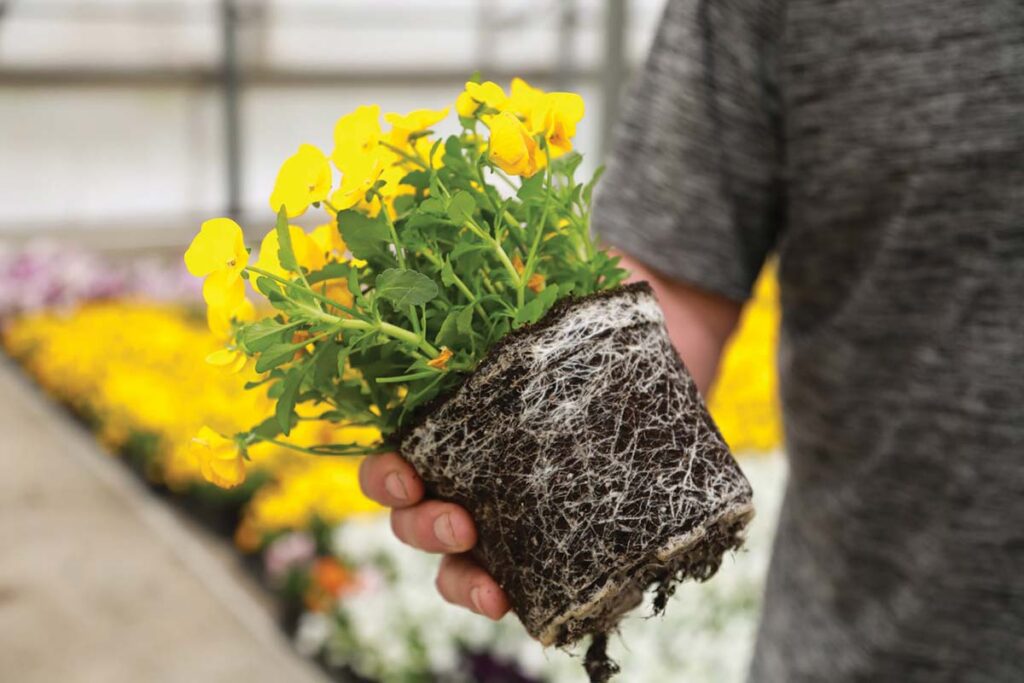
In controlled environments such as greenhouses, peat-based substrates play a critical role in supporting plant health by providing a stable, well-aerated and naturally clean root environment, said Nadia Issiaklem, Berger product manager.
Berger formulates its growing media to create physical and chemical properties that promote a healthy root zone. When roots and shoots remain healthy, plants are less susceptible to pathogen pressure.
Although Berger’s products are considered clean, the company can test finished growing media for specific human or plant pathogens and retains samples from each production run for one year to verify product safety if issues arise.
SUPPORTING BIOLOGICAL SOLUTIONS
As the industry continues to adopt biological solutions, demand for substrates that support beneficial microorganisms such as Trichoderma, Bacillus and mycorrhizae continues to grow.
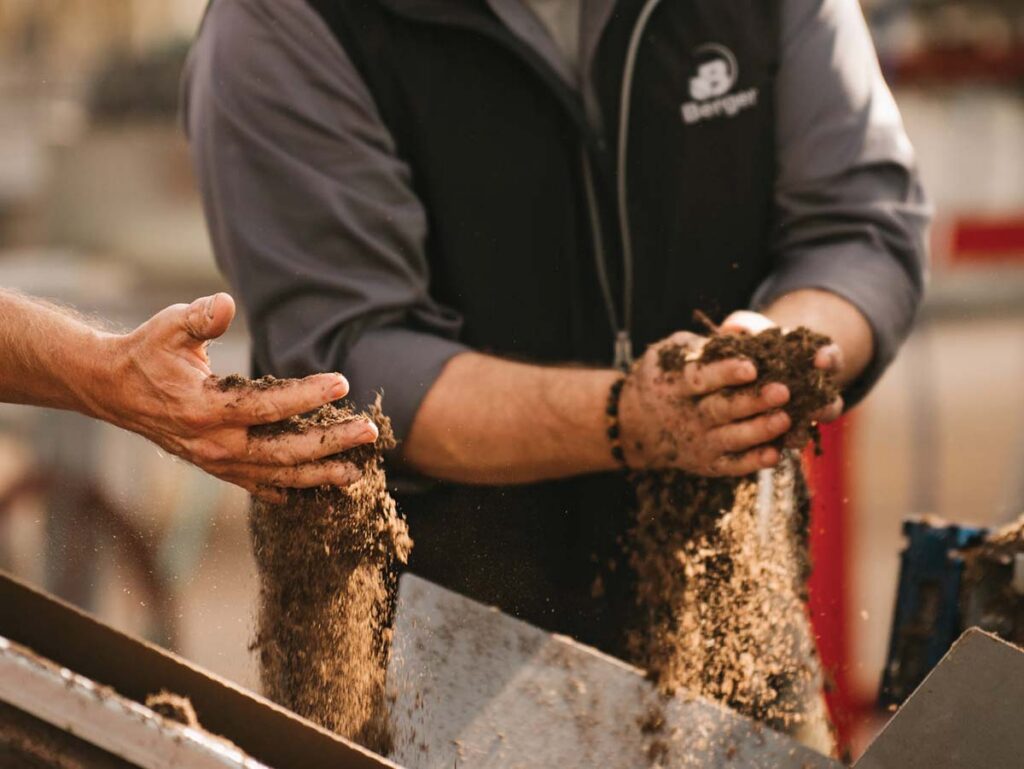
Beneficial microorganisms thrive in peat because of how peatlands are managed and how harvested peat is stored and processed. Peat moss can serve as an effective carrier for microorganisms, but it must be handled properly to maintain viability.
Maintaining low moisture levels during storage helps preserve the effectiveness of biostimulants and biocontrol agents. Excess moisture can trigger premature activation or degradation before products reach the grower.
Today’s growers increasingly seek integrated solutions in which substrate, technology and biological inputs work together to improve crop performance while reducing inputs and environmental impact.
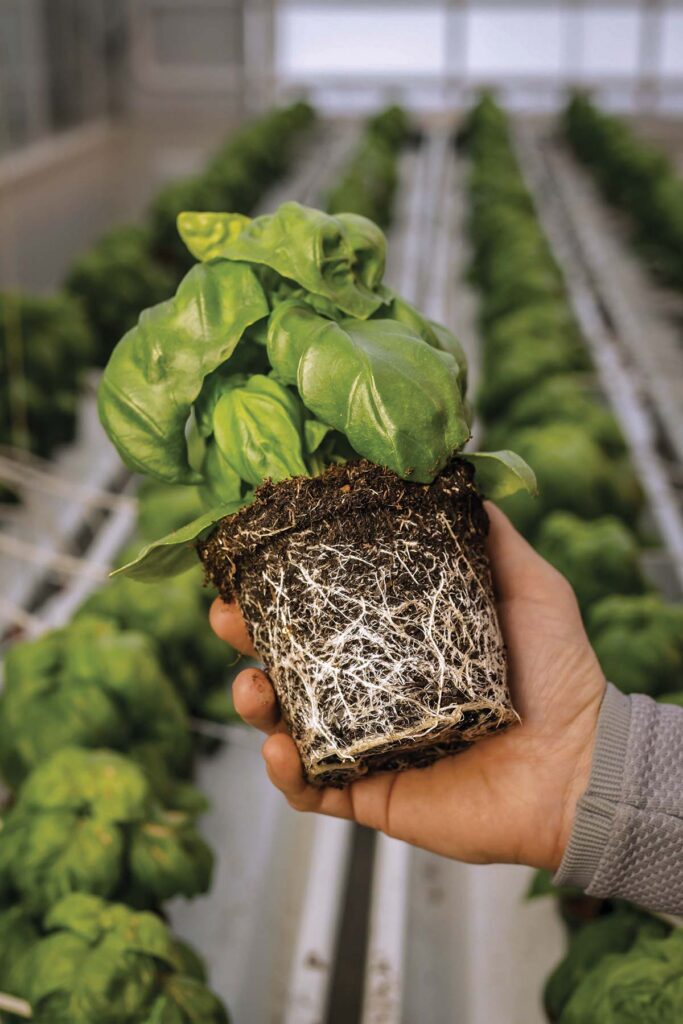
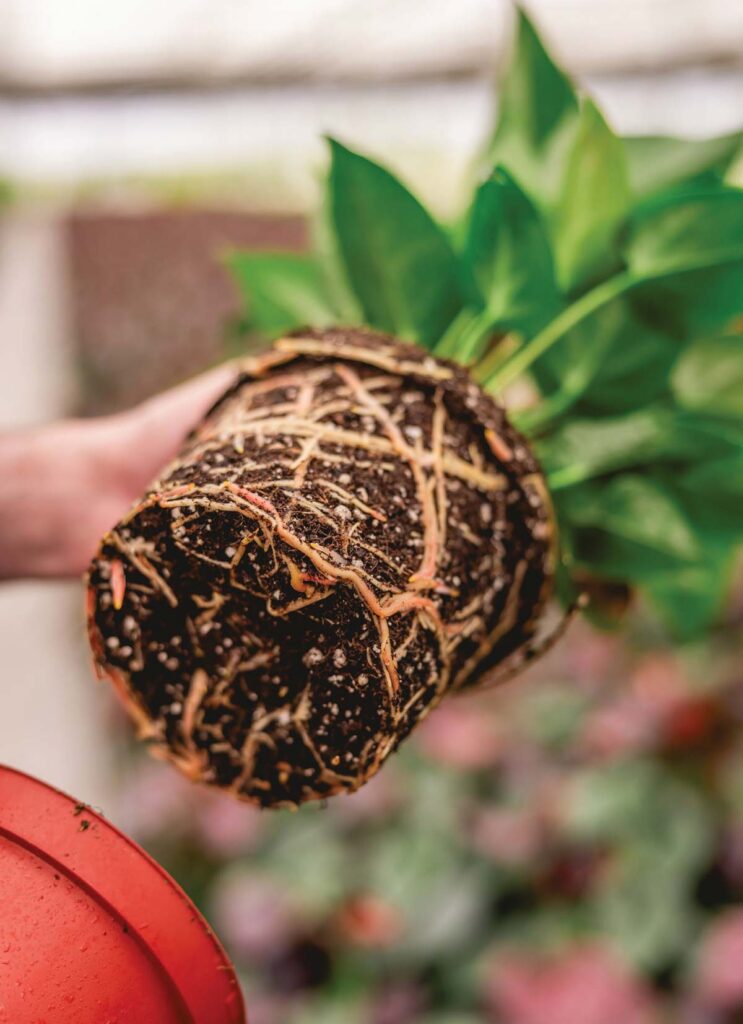
In soilless production, root-zone health is the functional equivalent of soil health. When the substrate provides clean, stable and biologically active conditions, plants develop stronger root systems and respond more effectively to beneficial inputs.
IMPROVING EFFICIENCY AND PERFORMANCE
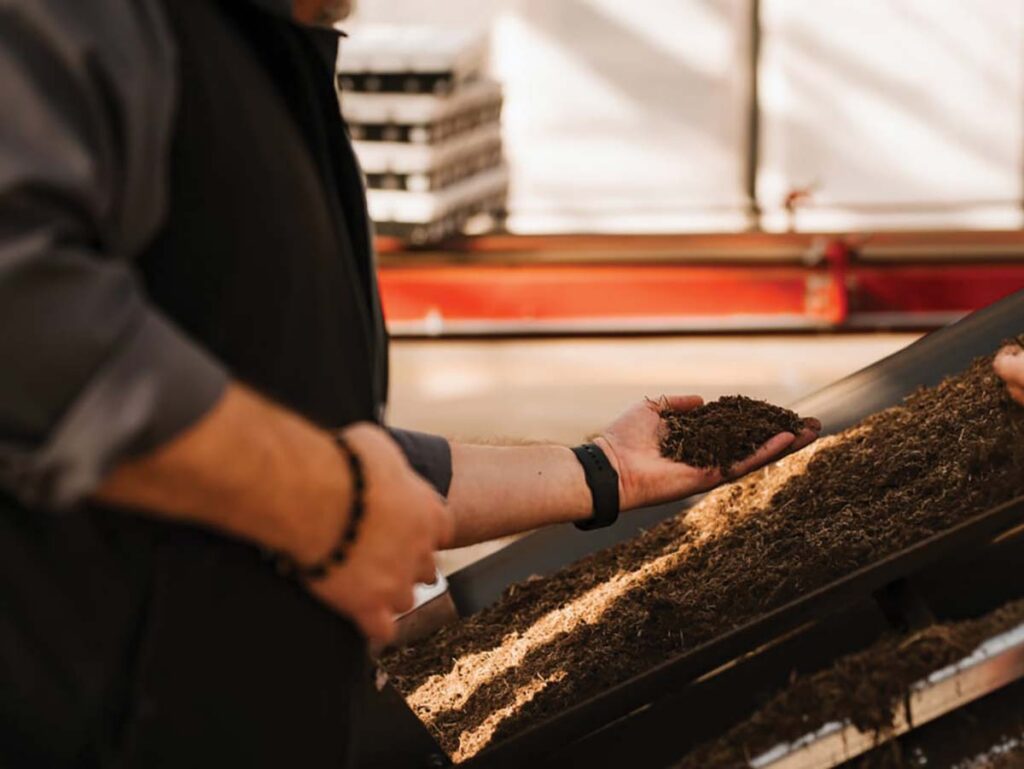
To meet evolving grower expectations, Berger has focused on optimizing substrate physical properties to maintain a stable water-air balance.
These improvements help reduce root diseases while supporting consistency in irrigation and fertigation programs. Stable air-water relationships improve access to oxygen, water, nutrients and beneficial microorganisms around the root system.
Berger has also developed product lines incorporating wood fiber, coconut coir and compost to help growers reduce environmental impact while maintaining performance.
Profile Products approaches plant performance from a similar perspective through products designed to improve rooting and water management.
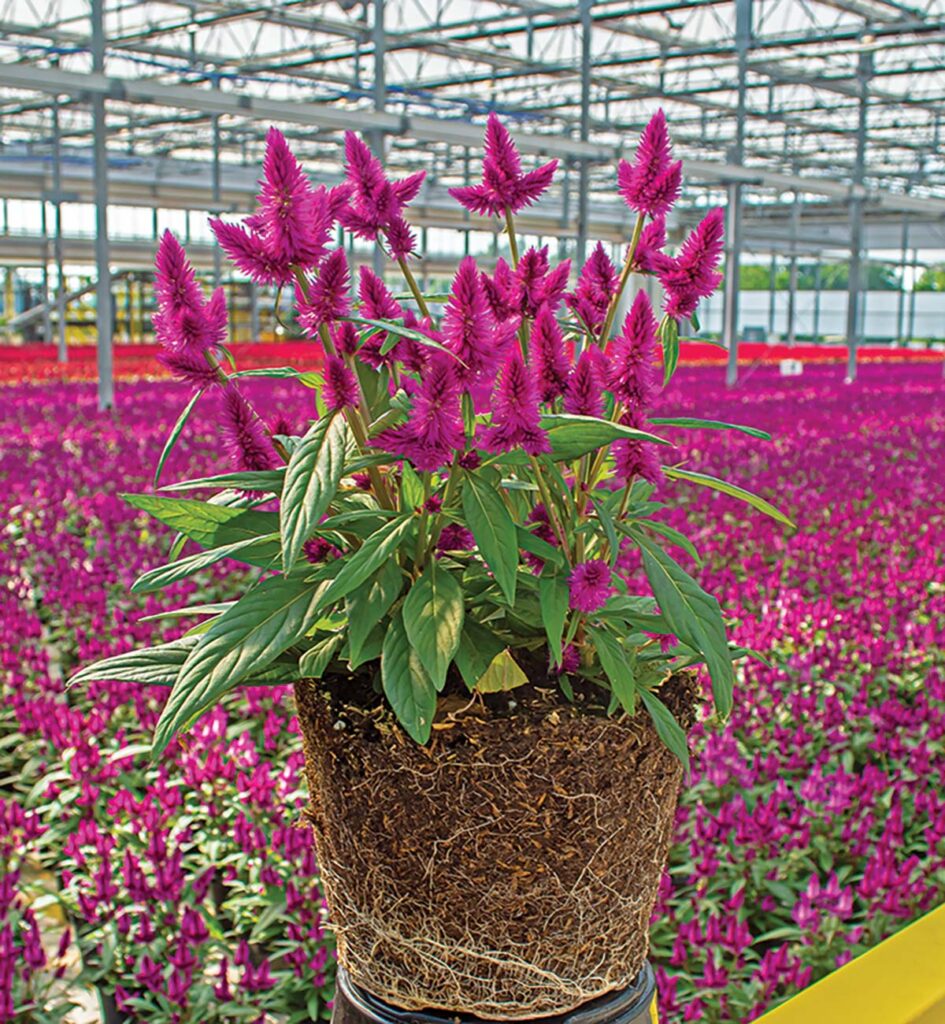
“HydraFiber can be up to 98% porous, creating better airspace compared to other common growing media,” Garrett said. “This enhances root development. An added benefit is that plants finish growing faster.”
Garrett said even modest inclusion rates can increase plant-available water while improving rewetting performance.
Profile Products also offers HydraTerra, which combines HydraFiber and peat moss into a single product. Garrett said the lightweight blend can help reduce freight, storage and handling costs.
“HydraFiber’s low bulk density and compression capabilities allow more products to fit on a truck. According to Garrett, one truckload can equal the volume of five truckloads of peat or 7.25 truckloads of perlite.

TRENDS AND OUTLOOK
Growers continue to face rising production costs, economic uncertainty and changing consumer demand, according to Rick Fletcher, Nufarm technical services manager for turf and ornamentals.
“Nufarm is constantly looking ahead with plans to introduce solutions to combat resistance and add value, including effective alternatives for neonicotinoids where the demand exists,” Fletcher said.
Beyond managing costs, growers are also adapting to industry consolidation and increasing pressure to maximize efficiency.
“We don’t have a lot of tools, so we’re getting smarter about developing more efficient uses of existing chemistries,” Fletcher said.
Garrett expects fertilizer costs to receive increased attention as geopolitical factors continue to influence input markets.
“Nutrition will be analyzed more closely as geopolitical factors are causing the cost of fertilizer and nutritional inputs to climb quickly,” he said.
Water management will also remain a priority.
“Although it’s more geographically based, saving on water, including on the retail and watering, is also an input to optimize,” Garrett said.
NEW PRODUCTS SUPPORT PEST MANAGEMENT PROGRAMS
Many companies are unveiling power products that assist growers in keeping plants and soil at its peak performance. Last year, Nufarm launched OpteraPro, an insecticide for turf and ornamentals and Simpell, a broad-spectrum control for foliar pests including some that are traditionally among the most difficult to control and prone to resistance.
“The active ingredient in Simpell, spinosad, is biologically derived and soft on beneficial insects and other non-target species. Its unique mode of action delivers a useful integrated pest management tool and resistance management solution in defense against caterpillars, thrips, mites, beetles, annual bluegrass weevil (ABW), fleas, leafminers and more,” said Rick Fletcher, Nufarm technical services manager for turf & ornamentals.
FAQ
What makes a healthy root zone important?
Healthy root zones help produce stronger, more resilient and market-ready plants.
Why are biological microorganisms used in growing media?
They support plant health and continue to gain adoption in greenhouse production.
How does HydraFiber improve plant production?
It increases air space, supports root development and can help plants finish growing faster.
Why is water management receiving more attention?
Growers are seeking greater efficiency while optimizing production inputs.
How are fertilizer costs influencing growers?
Geopolitical factors are increasing attention on fertilizer and nutritional input costs.
Regina Molaro is a freelance editor whose work has been featured in more than 20 publications. She can be contacted at reginamolarofreelance@gmail.com.