
Category: Plant Health
Selecta One signs agreement to use Dümmen Orange’s Intrinsa
Dümmen Orange’s disease resistance label Intrinsa will now be used by ornamental breeder Selecta One, according to the new global licensing agreement between the two companies.
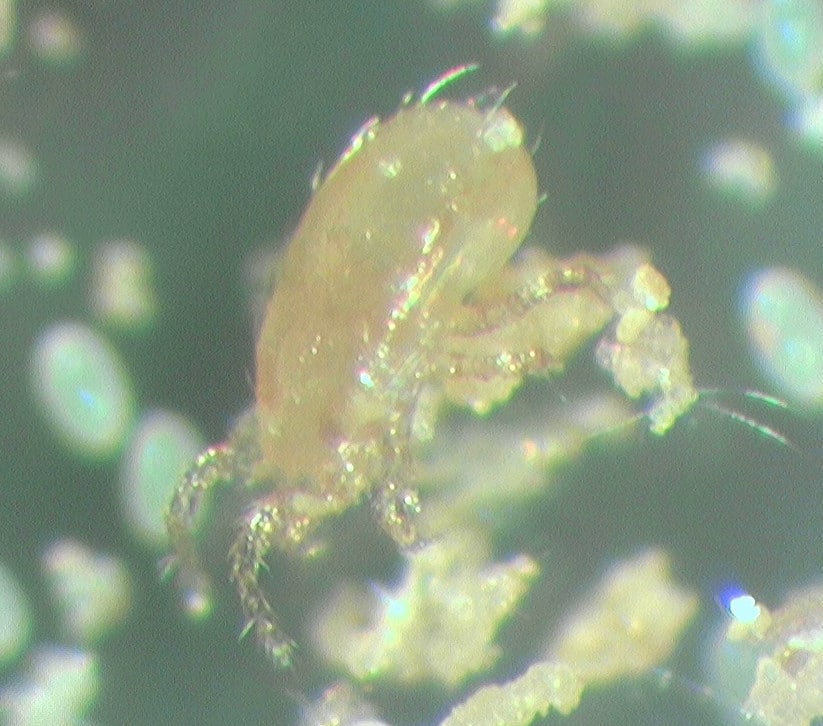
Dr. Bugs: Biological control agent of Western flower thrips
Neoseiulus cucumeris can be released into greenhouse production systems to manage Western flower thrips (Frankliniella occidentalis) populations on ornamental and vegetable crops below plant-damaging levels.

Start clean, stay clean in the greenhouse
Nancy Rechcigl of Syngenta gives their perspective on greenhouse sanitation and how that affects insects and diseases taking over in the greenhouse.

Duets: Plant pathology perspective from floriculture royalty
Peter Konjoian talks with Margery Daughtrey, Extension associate at Cornell University’s Long Island Horticultural Research and Extension Center, about plant pathology.
Editor’s Letter: Labor updates
Read more about GPN’s labor survey and how growers are dealing with current issues, and don’t miss the natural control tips from BioWorks and Dr. Bugs.
Plant health and biologicals for disease management
Natural enemies and materials for disease management in the greenhouse from BioWorks.

Rotating chemical treatments
Avoiding resistance means learning to change your pesticide treatment type or mode of action to avoid the development of mutational resistance and keep the overall pest populations under control.
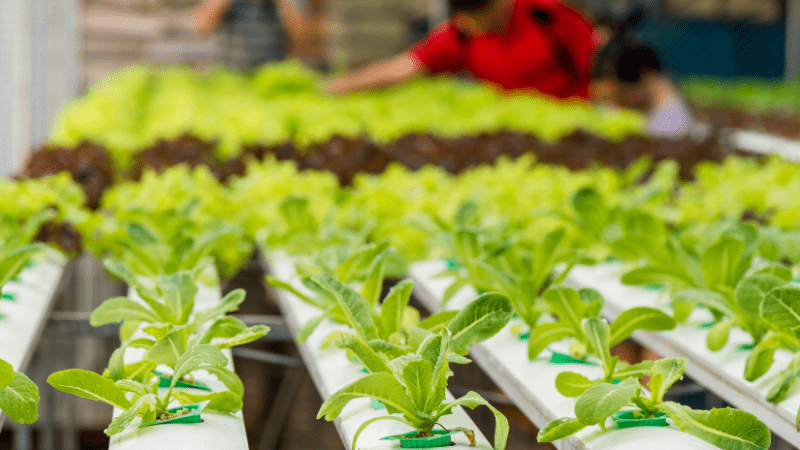
Hand-in-hand with hydroponics
Hydroponics is a way of growing plants without soil, but that doesn’t mean it is all media-less.

Investing in your plant health
Integrated plant health management (IPHM) emphasizing a more holistic approach that includes plant nutrition and other methods that promote plant tolerance of abiotic (environmental) and biotic (pests and diseases) stresses as a first line of defense.
AgroLiquid achieves certification for biostimulant
A provider of agricultural crop nutrition products, AgroLiquid recently shared that its biostimulant product, PrimAgro C-Tech, has been awarded a prestigious certification, affirming its adherence to industry recognized standards for efficacy, safety, and composition.

Dr. Bugs: Resulting resistance
Insecticides are used to manage populations of insect pests including aphids, fungus gnats, leafminers, mealybugs, thrips and whiteflies in greenhouse production systems below plant-damaging levels.

Forty Under 40 Perspectives: Frost protection using irrigation
When I began working at Bailey Nurseries as an assistant foreman in plant health, I had a lot to learn despite a degree in horticulture and 10 plus years working in the industry.
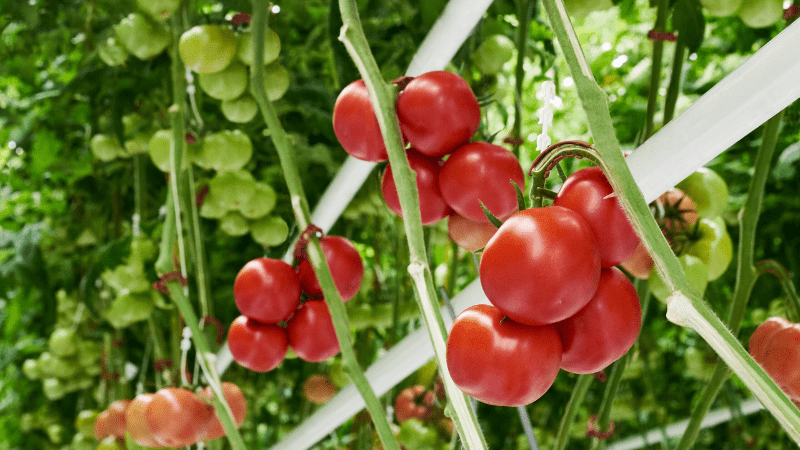
What if plants could talk?
Gaining a knowledge of plant chemistry can lead to tangible benefits like improved crop yield, early detection of issues related to production and plant health and better-quality products.

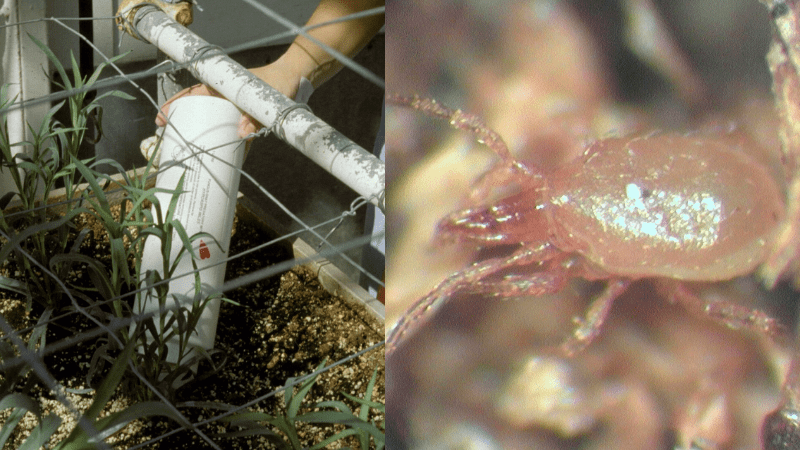
Dr. Bugs: Stratiolaelaps scimitus
Dr. Bugs addresses using biological control agents against fungus gnat larvae and discusses predatory mites.